Source Herbal No Talcum Baby Powder for Skin Care
Find 30 herbal no talcum baby powder options from Chinese manufacturers. Compare specifications including mesh size, packaging, and certifications like FDA and ISO to select suitable mineral-based ingredients for cosmetic and personal care applications; compare the available evidence and request quotations based on your requirements.
Key considerations
Products List


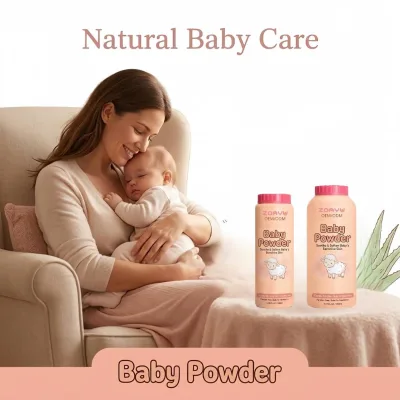
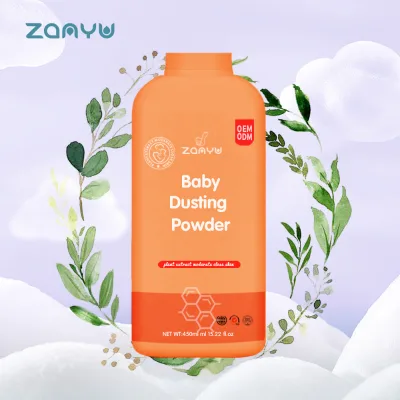


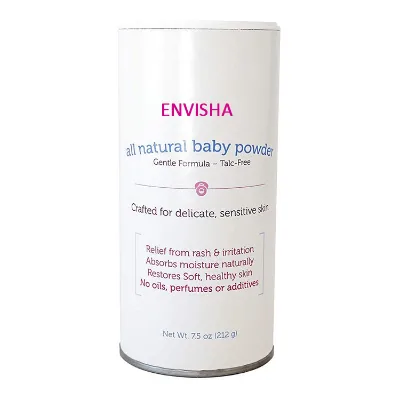
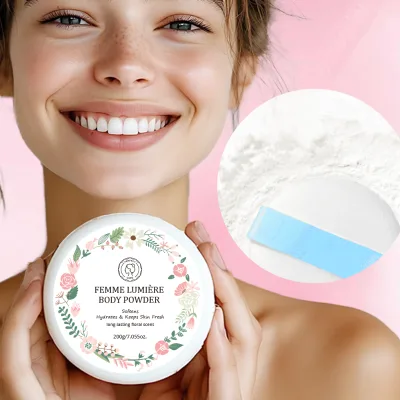




Comprehensive Sourcing Guide
Herbal No Talcum Baby Powder Sourcing Guide
Procuring herbal no talcum baby powder requires distinguishing between traditional mineral-based formulations and plant-derived alternatives that avoid asbestos risks. While the supplied data confirms the existence of talc-based products with specific mesh sizes and certifications, the core keyword demands a strict focus on non-talc ingredients like cornstarch or oat extracts. Buyers must verify that the "Mineral" ingredient listed in some catalog entries does not refer to talc, ensuring the final product aligns with the "no talcum" requirement for sensitive infant skin.
The market offers diverse packaging options ranging from 400g cartons to bulk bags, yet the specific herbal formulation often dictates the minimum order quantity and lead time. Sourcing strategies should prioritize suppliers who explicitly state their avoidance of talc in their product descriptions rather than relying on general "Baby Skin Care Products" labels. This distinction is critical because some listings may offer both talc and non-talc variants under the same brand name, requiring careful specification of the exact herbal composition before placing any order.
Product Scope and Observed Listing Signals
The observed product listings reveal a wide spectrum of attributes, including specific mesh sizes like 325 mesh and 1250 mesh, which indicate varying degrees of particle fineness suitable for different skin sensitivities. While some entries describe a "Snow White" or "White" appearance with a "Floral" or "Rose" scent, these sensory details must be cross-referenced with the ingredient list to confirm the absence of talc. Buyers should note that "Particle" source materials are common, but the specific botanical origin of the herbal component must be explicitly defined to ensure safety and efficacy for the 0-3 years age group.
Listing signals also highlight customization capabilities, with brands supporting private labeling and specific volume requirements such as 100ml or 250ml containers. However, the presence of "Chemical Raw Material" classifications in some entries suggests that not all listed items are finished cosmetic powders; some may be intermediate ingredients requiring further processing. Procurement teams must filter these listings to isolate finished goods that explicitly market themselves as herbal and talc-free, avoiding confusion with industrial-grade chemical powders intended for rubber or plastic applications.
Technical Specifications to Verify
Technical verification begins with confirming the particle size distribution, as the supplied data mentions standards ranging from 325 mesh to 1250 mesh, which directly impacts the texture and absorption rate of the powder. For herbal formulations, the mesh size must be fine enough to prevent irritation while maintaining the ability to absorb moisture effectively. Buyers should request specific sieve analysis reports to ensure the particle size aligns with the intended application, whether for general body care or specialized cleaning functions for infants.
The physical form of the product is consistently listed as a powder, but the specific density and flow properties of herbal blends can differ significantly from mineral-based alternatives. Specifications such as "Net Weight 25 KGS" or "400g" indicate standard packaging weights, but the actual fill volume and bulk density of the herbal powder must be validated to prevent shipping discrepancies. Additionally, the shelf life of three years noted in some listings should be verified against the stability of the herbal ingredients, ensuring that natural preservatives maintain efficacy throughout the product's lifecycle.
Compliance and Safety Documentation
Safety documentation is paramount when sourcing products for infants, requiring a thorough review of certifications like FDA, ISO, Halal, and Kosher to ensure global compliance. While the provided facts list these certifications, buyers must confirm that they specifically cover the herbal, non-talc formulation and not just the generic product line. The presence of CIQ and CCIC certificates suggests export readiness, but the specific test results for asbestos-free status and heavy metal limits must be explicitly requested for the herbal variant.
Regulatory compliance also extends to the labeling of ingredients, where the "Mineral" or "Herbal" designation must be transparent and accurate. Buyers should demand a Certificate of Analysis (CoA) that details the absence of talc and confirms the purity of the herbal extract, typically ranging between 50% and 80% as observed in some product attributes. Furthermore, the "Food Grade" standard mentioned in the data may not apply to cosmetic powders, so verifying that the product meets specific cosmetic safety regulations for the target export countries is essential.
Cost Drivers and Commercial Terms
Cost structures for herbal no talcum baby powder are influenced by the complexity of sourcing botanical ingredients and the specific packaging requirements, such as plastic bags or cartons. The observed MOQ range of 1 to 30,000 units indicates significant flexibility, but higher customization levels like private labeling or specific scent profiles may increase the unit price. Buyers should anticipate that premium herbal ingredients and stricter quality controls will result in a higher cost per unit compared to standard mineral-based powders.
Commercial terms regarding delivery time and payment conditions vary, with lead times observed between 7 to 15 days and up to 10 days for specific orders. The "Overworld" export capability suggests a broad logistical network, but buyers must clarify if the quoted price includes freight and insurance for international shipping. Understanding the total landed cost is crucial, as the "20 Years Experience" advantage of some suppliers may translate to better logistics management but does not necessarily guarantee lower base material costs.
Supplier Qualification and Quality Control
Supplier qualification should prioritize manufacturers with a proven track record in cosmetic production, evidenced by the "20 Years Experience" and "Brand cooperation" advantages noted in the data. Buyers must verify that the supplier has dedicated production lines for herbal products to prevent cross-contamination with talc-based powders, which is a critical safety concern for infant care items. The ability to customize the product, including scent and packaging, is a strong indicator of a supplier's flexibility and technical capability.
Quality control protocols must be rigorous, involving regular testing for microbial contamination and heavy metals, especially since the product is intended for the "0-3 Years Old" age group. The "Cleaning, Moisturing" function claims require validation through clinical or dermatological testing to ensure the herbal ingredients deliver the promised benefits without causing adverse reactions. Establishing a clear quality agreement that defines acceptable defect rates and testing frequencies is essential for maintaining product integrity throughout the supply chain.
Long-Term Procurement Checks
Long-term procurement success depends on establishing a robust relationship with suppliers who can consistently deliver high-quality herbal powders over time. Buyers should conduct periodic audits to ensure that the supplier maintains their certification status and adheres to the agreed-upon specifications for particle size and ingredient purity. Regular review of the supply chain for raw material availability is necessary to prevent disruptions, as the sourcing of specific herbal extracts can be subject to seasonal or geopolitical factors.
Continuous monitoring of market trends and regulatory changes is also vital, as the demand for natural and organic baby care products is evolving rapidly. Buyers should stay informed about new safety standards and consumer preferences that may require adjustments to the product formulation or packaging. By maintaining open communication and setting clear performance metrics, procurement teams can ensure a stable supply of safe, effective, and compliant herbal no talcum baby powder for their customers.
FAQs
What ingredients are in herbal no talcum baby powder?
Herbal no talcum baby powder typically uses mineral-based ingredients like cornstarch or arrowroot instead of talc. These natural alternatives provide a soft, dry feel on baby skin. Some formulations include floral scents such as rose or lavender for a pleasant aroma. The product is designed to be gentle for sensitive skin while absorbing moisture effectively without harsh chemicals.
Can herbal no talcum baby powder be customized for brands?
Yes, customization is available for herbal no talcum baby powder products. Manufacturers often support private labeling and custom scent profiles like coconut or shea butter. Buyers can select specific packaging volumes such as 100ML or 200ML bags. This flexibility allows brands to tailor the product to their specific market needs and aesthetic preferences while maintaining quality standards.
What certifications do herbal no talcum baby powder suppliers hold?
Reputable suppliers often hold ISO, FDA, Halal, and Kosher certifications for their herbal no talcum baby powder. These credentials ensure the product meets international safety and quality standards. Some manufacturers also provide CIQ and CCIC documentation for export purposes. Buyers should verify these certificates to ensure compliance with local regulations and consumer safety expectations in their target markets.
How long is the delivery time for herbal no talcum baby powder?
Delivery times for herbal no talcum baby powder typically range from 7 to 15 days. Some suppliers offer faster turnaround times of around 10 days for standard orders. The exact lead time depends on the order quantity and specific packaging requirements. Buyers should confirm the schedule with the manufacturer to ensure timely arrival, especially for large bulk orders or customized packaging needs.
What is the minimum order quantity for herbal no talcum baby powder?
The minimum order quantity for herbal no talcum baby powder varies by supplier. Some vendors require a MOQ of 5000 pieces for customized products. Others may accept lower quantities for standard items, ranging from 1 to 30000 units. Buyers should check specific supplier listings to find the MOQ that aligns with their inventory capacity and initial market testing requirements.
Where is herbal no talcum baby powder typically manufactured?
Herbal no talcum baby powder is often manufactured in China, with specific production hubs in Guangdong. These regions are known for their established chemical and cosmetic manufacturing infrastructure. Suppliers in these areas offer various packaging options like plastic bags or cartons. Buyers can source directly from these locations to benefit from competitive pricing and established supply chain logistics for global export.